
What is Extended Producer Responsibility (EPR)?
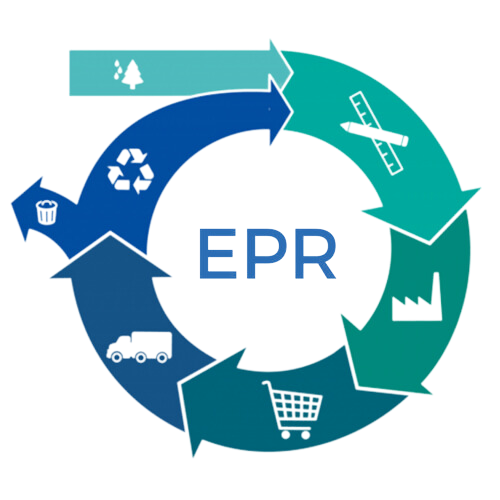
Extended Producer Responsibility (EPR) is an environmental policy framework that shifts the cost and responsibility for managing packaging waste from taxpayers and local governments to the companies that place products on the market. Under EPR, producers typically help fund the collection, sorting, recycling, and recovery of packaging materials.
EPR:
- Requires producers to fund and support packaging collection, sorting, and recycling.
- Uses fees to encourage more recyclable and sustainable packaging design.
- Often requires participation in a Producer Responsibility Organization (PRO).
- Supports a more circular economy by increasing recovery and recycling of materials.
How Does EPR Affect CPG Companies?
For Consumer Packaged Goods (CPG) companies, EPR is rapidly becoming both a compliance requirement and a business cost.
- New Packaging Fees
Many EPR programs require producers to pay fees based on:
- Packaging material type
- Weight of packaging sold into a state
- Recyclability of the packaging
- Use of recycled content
These fees help fund statewide recycling systems and infrastructure.
- Reporting Obligations
CPG companies must collect and report detailed packaging data, including:
- Material composition
- Packaging weights
- Volumes sold into covered states
- Packaging Redesign Pressure
One of EPR’s biggest impacts is on package development. Companies may need to:
- Increase recyclability
- Reduce package weight
- Eliminate problematic materials
- Incorporate recycled content
- Improve sortability in recycling systems
- Membership in a PRO
Most companies comply through a Producer Responsibility Organization (PRO). In the U.S., the primary PRO for packaging EPR programs is Circular Action Alliance (CAA), which manages registration, reporting, fee collection, and compliance activities for multiple state programs.
- Increased Regulatory Complexity
Several states have enacted packaging EPR laws, including California, Colorado, Oregon, Maine, Minnesota, Maryland, Washington, with many more in the exploration stage. Each state has different requirements, timelines, covered materials, and performance targets.
What Does This Mean?
For many food, beverage, personal care, and household product brands, EPR is creating a new decision-making lens for packaging. Customers are increasingly asking Is the package recyclable? How much recycled content does it contain? Will it generate higher EPR fees? Does the design align with future regulatory requirements?
For CPG companies, EPR is no longer just a sustainability initiative. It is becoming:
- A financial issue through producer fees.
- A regulatory issue through reporting requirements.
- A packaging design issue through eco-modulated fees and recyclability standards.
- A brand issue because consumers and retailers increasingly expect evidence of environmental responsibility.
“EPR shifts responsibility for packaging waste to producers, encouraging investment in recycling systems and more recyclable packaging. As these programs expand across the U.S., packaging design, recyclability, and accurate material reporting are becoming increasingly important for CPG companies.”
At Silgan Plastics, our team is closely watching the EPR landscape and staying on top of all the latest legislation in order to ensure our customers are prepared.