
Is it global warming or climate change? What is a carbon footprint? I keep hearing that plastics is bad – is it? What can & can’t be recycled? Over the last several years, the conversation around sustainability has exploded and can be truly overwhelming. Sustainability can feel complicated—but it doesn’t have to be.
Here’s a practical, no‑nonsense look at what the average person should know about sustainability and recycling, and how small, everyday actions can make a real difference.
Why Sustainability Matters
At its core, sustainability is about using resources wisely today without creating bigger problems for tomorrow. It’s about preserving resources so people and planet can co-exist for generations to come, and who doesn’t want that? There is a lot of science and debate around how to go about this, but for the average person, it can be as easy as following 3 basic guidelines. For everyday life, that means:
- Using less
- Wasting less
- Keeping materials in use longer
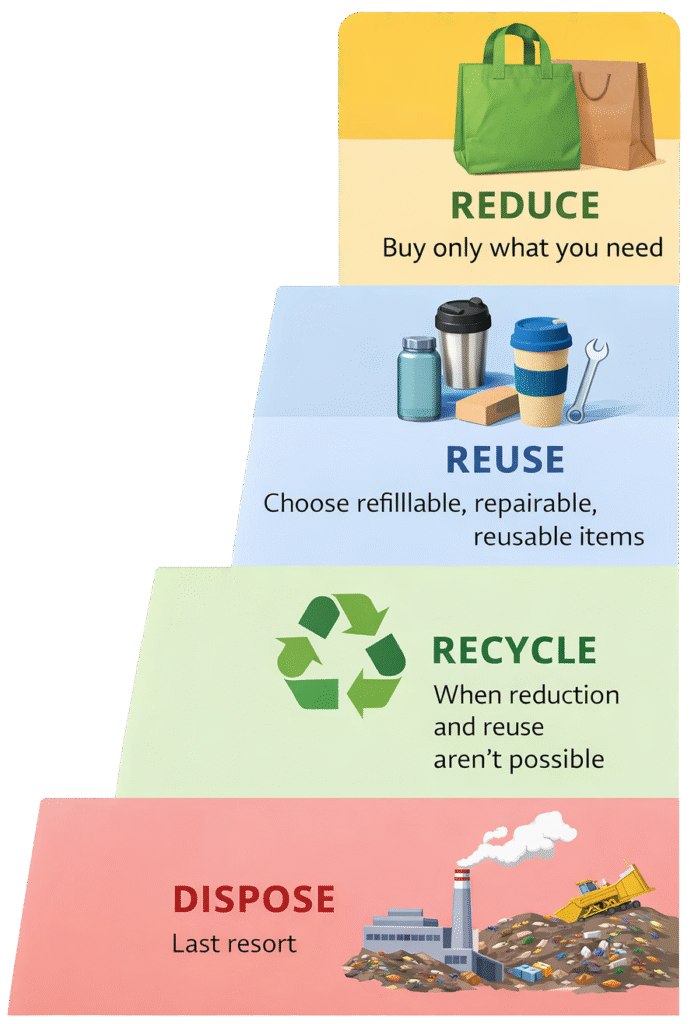
The Waste Hierarchy: Order Matters
We all WANT to do the right thing when it comes to the environment, but how we do that can be confusing. When it comes to waste, recycling isn’t the first step—and that often surprises people. Recycling plays a role—but it’s just one tool in the toolbox. The most effective approach is:
- Reduce – Buy only what you need
- Reuse – Choose refillable, repairable, reusable items
- Recycle – When reduction and reuse aren’t possible
- Dispose – Landfill or incineration as a last resort
The less waste we create in the first place, the better recycling can work. But we all still need to do our part and get that waste into the recycling bin whenever possible.
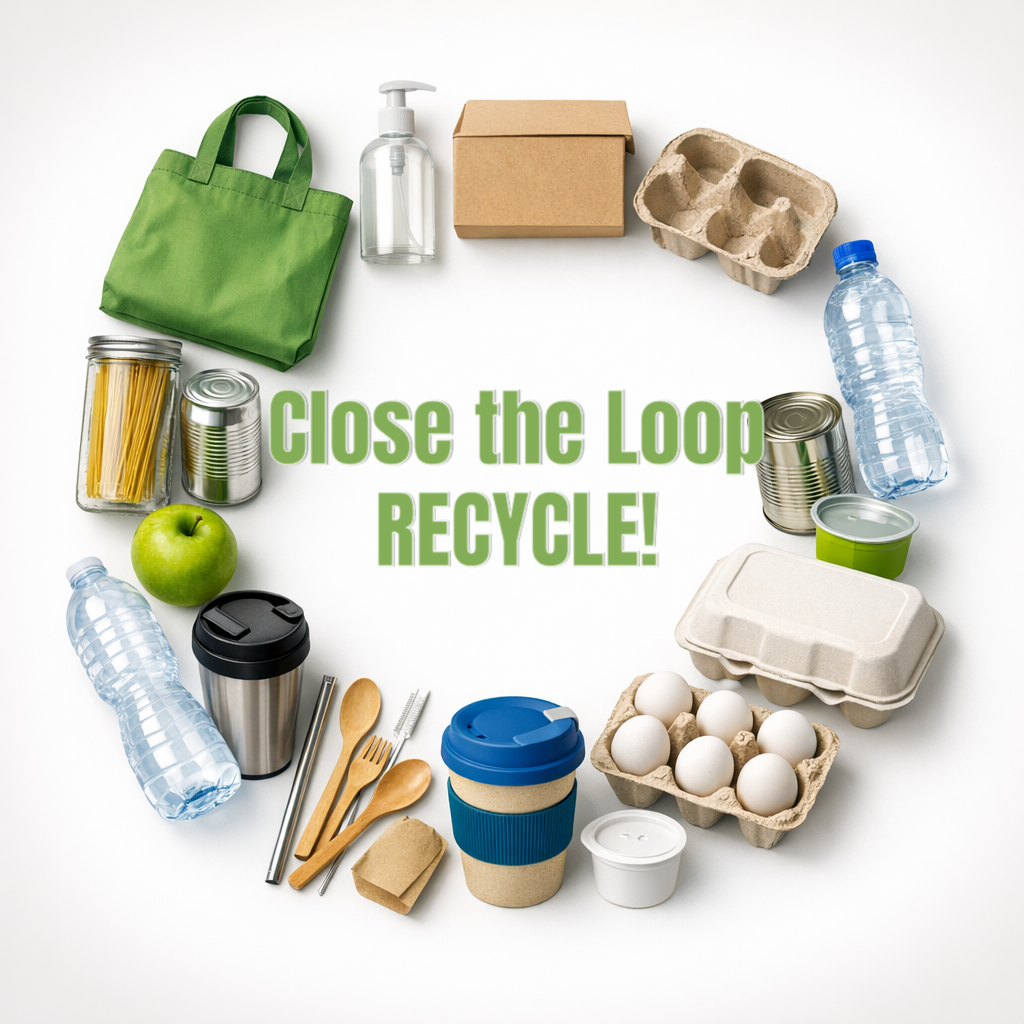
How Recycling Really Works
There are so many mixed messages out there around recycling, it can be frustrating. Not every community offers recycling, and even those that do vary in what they will and won’t accept. So, if you truly want to ensure you are helping the cause, here are a few key factors. For something to be recycled successfully, it must be:
- Accepted by your local program
- Sorted correctly
- Clean and dry
- In demand by manufacturers
If any of those steps break down, the item may end up as trash—even if it looks recyclable. Your best bet is to check with your local municipality and follow their guidelines.
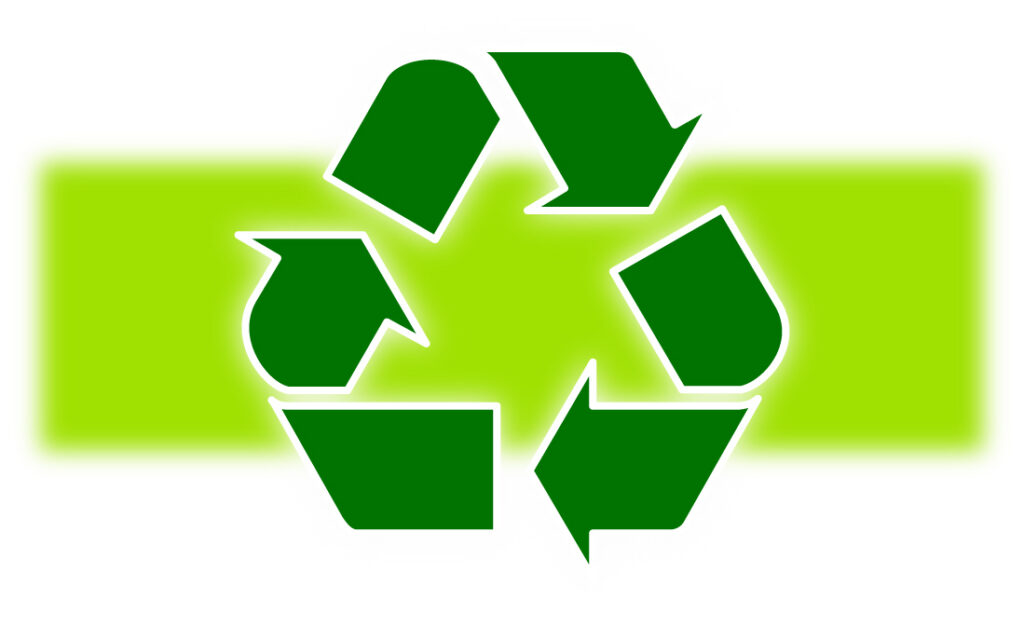
What the “Recycling Symbol” Actually Means
That familiar “recycling symbol”, also known as chasing arrows, doesn’t always mean what people think. It was first created by the plastics industry to signify what specific materials make up the package. It contains a number 1 to 7 (Resin Identification Code) which identifies the material type and was meant to help waste sorters & recyclers. Over the years, the symbol has been adopted as a mark of recyclability, causing frustration for consumers and contamination at the recyclers. It doesn’t guarantee your community accepts it – local recycling rules always come first. Bottom line: When in doubt, check your local guidelines.
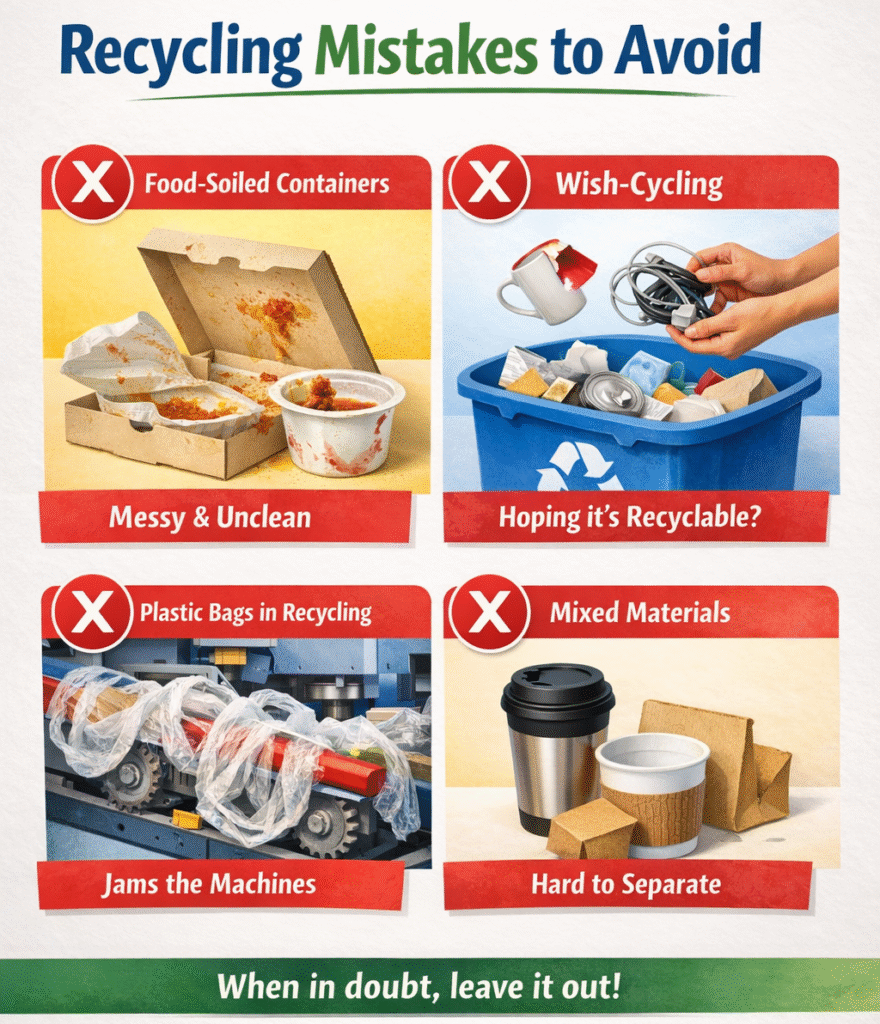
Common Recycling Mistakes to Avoid
Good intentions can still cause problems. The packaging industry has introduced more standardized, clear visuals and instructions, but it’s still up to the consumers (us!) to look for and follow. Some of the most common issues include:
- Food‑soiled containers
- Tossing items in “just in case” (also known as wish‑cycling)
- Plastic bags in curbside recycling – they actually clog up the sorting machines
- Mixed materials that can’t be separated
When in doubt, leave it out. Contamination can send entire loads to landfill.
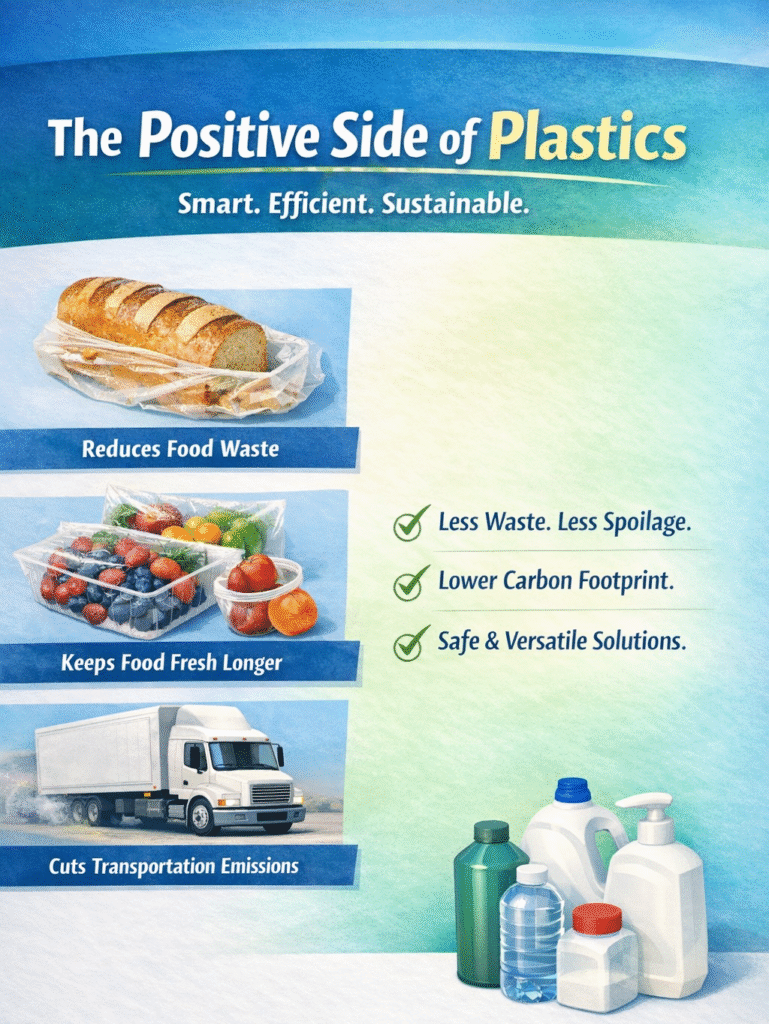
Plastics: A More Balanced View
Plastics are often seen as the villain—but the reality is a bit more nuanced. The real problem is when it’s not disposed of properly and ends up in the environment. The fact remains that plastic is as popular and widespread as it is because of it’s strength, durability and light weight. It’s important to recognize the value of plastics.
- They can reduce food waste, which has a high environmental impact
- Lightweight packaging helps lower transportation emissions
- Not all plastics are recyclable everywhere
The goal isn’t eliminating plastic entirely—it’s using the right material for the right purpose and managing it responsibly.
What You Can Do That Truly Helps
Small, simple habits make a big difference. Here are a few simple suggestions you can follow in your daily life to do your part in protecting our environment.
- Follow your local recycling rules
- Empty, rinse, and dry recyclables
- Buy products made with recycled content
- Support brands investing in sustainable packaging and systems
- Focus on progress, not perfection
A Final Thought
Sustainability isn’t about being perfect—it’s about making better choices more often.
When consumers, companies, and communities all do their part, real progress happens.