
What is plastic?
Plastic is a man-made material that may be moulded and formed into solid objects. It is crafted from long chains of molecules known as polymers. Plastics can bend and exchange form without breaking easily. They are very flexible and may be moulded into many forms and merchandise. The key components in plastics are lengthy chains of carbon atoms related collectively to shape those moldable polymer substances.
Uses of Plastic
Plastic has many uses across almost every industry. It is used to make packaging, buildings, clothes, customer items, vehicles, electronics, and industrial machines. Plastic is the most commonly used material because, it is very versatile and can be moulded into many different shapes, it is lightweight but long-lasting and flexible, and it is inexpensive to produce compared to other materials. Plastic has existed for approximately 150 years, however its ability to be easily shaped combined with being affordable has made it an exceptionally popular material choice in modern times for producing so many products we use daily.
No, Not All Plastics Are the Same.
Plastics are a large family of materials with different chemical compositions and properties. Different types of plastics are designed for different uses, which is why a shampoo bottle, a food container, a car part, and a medical device can all be made from plastic but perform very differently.
Common Types of Plastic
| Plastic | Abbreviation | Typical Uses | Key Properties |
|---|---|---|---|
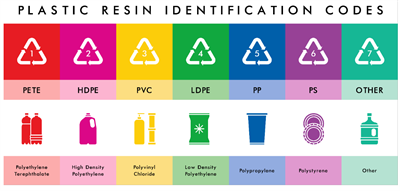
| Polyethylene Terephthalate | PET | Beverage bottles, food packaging | Clear, lightweight, recyclable |
| High-Density Polyethylene | HDPE | Milk jugs, detergent bottles | Strong, durable, chemical-resistant |
| Polypropylene | PP | Yogurt cups, caps, containers | Heat-resistant, lightweight |
| Polystyrene | PS | Disposable cups, food trays | Rigid, lightweight |
| Polyvinyl Chloride | PVC | Pipes, window frames, medical tubing | Durable, weather-resistant |
| Low-Density Polyethylene | LDPE | Plastic bags, film wrap | Flexible, tough |
Many of these materials, including PET, HDPE, PP, and PS, are commonly used in packaging applications. Silgan Plastics’ materials portfolio includes PET, HDPE, PP, PS, and barrier materials for a wide range of container applications.
Why Different Plastics Are Used
Each plastic offers a unique combination of:
- Strength
- Flexibility
- Heat resistance
- Transparency
- Chemical resistance
- Cost
- Recyclability
For example:
- PET is often used for clear beverage bottles because it is strong and transparent.
- HDPE is commonly used for detergent and milk bottles because it is tough and resistant to chemicals.
- PP is frequently chosen for closures and food containers because it can withstand higher temperatures.
So, Are All Plastics Recyclable?
No, not all plastics are recyclable.
While many plastic materials are technically recyclable, whether they are actually recycled depends on several factors, including the type of plastic, local recycling infrastructure, product design, and contamination levels. Recyclability goes beyond whether an item is collected by a local program or simply made from a particular resin. The packaging design itself plays a significant role in whether a product is compatible with existing recycling systems.
Plastics That Are Commonly Recycled
Some of the most widely recycled plastics include:
- PET (#1): Used for many beverage and food containers.
- HDPE (#2): Commonly found in detergent, shampoo, and milk bottles.
- PP (#5): Increasingly accepted in recycling programs for containers and closures.
These materials are often used in packaging because they can fit well within existing recycling systems. Silgan Plastics’ packaging portfolio includes PET, HDPE, and PP materials that are commonly used in recyclable packaging applications due to the fact that they are universally accepted and recycled across US & Canada.
Why Some Plastics Are Difficult to Recycle
A plastic package may be difficult or impossible to recycle if it:
- Uses multiple materials that cannot be separated.
- Contains certain pigments or additives.
- Includes labels, closures, or components that interfere with the recycling process.
- Is heavily contaminated with food or other substances.
The APR Design Guide categorizes packaging features as preferred, detrimental, requiring testing, or rendering a package non-recyclable based on their impact on recycling compatibility.
Simple Way to Think About It
Just as metals include steel, aluminum, and copper, the term “plastic” refers to many different materials. They all belong to the plastic family, but each type has its own characteristics and best uses.
In short: Plastic is not a single material. There are many types of plastics, each engineered with specific properties to meet the needs of different products and industries.